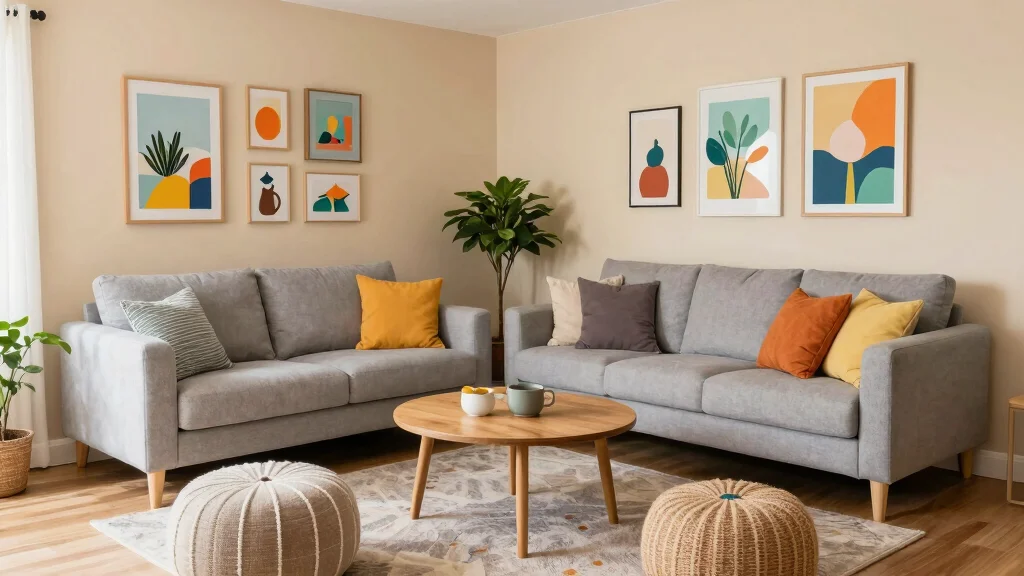
Creating a welcoming and functional living room can feel like a puzzle, especially when you’re working with a small space. This post is designed for anyone who finds themselves staring at an awkward layout or struggling to balance comfort and aesthetics in their home. Whether you’re a busy professional, a growing family, or a student in a cozy apartment, these living room furniture layout ideas will inspire you to transform your space into a harmonious retreat.
You care about making the most out of your living area, and I get that. You need solutions that don’t just look good but actually serve a purpose. That’s why I gathered 11 practical furniture arrangement ideas that will help you improve flow and functionality. From the floating sofa to multi-functional pieces, these tips are tailored to maximize your living room space while keeping it stylish and inviting.
Let’s dive into these creative layouts and see how you can make your living room not only beautiful but also a space that truly works for you.
Key Takeaways
– Floating Sofa: This layout creates an open feel by positioning your sofa away from the walls, promoting conversation and movement.
– Corner Comfort: Placing furniture in a corner can free up floor space and provide a cozy nook for relaxation.
– Multi-functional Furniture: Use pieces that serve more than one purpose, like ottomans that double as storage or coffee tables with hidden compartments.
– Zone with Rugs: Use area rugs to define different spaces within your living room, helping to create distinct areas for lounging and socializing.
– Light and Airy Colors: Opt for light color palettes to make your living room feel larger and more inviting, enhancing the overall vibe.
Recommended Products

Rustic & Modern Floating Shelves: These shelves for room wall are made of premium engineered wood board with PVC wood grain finish. The rustic wooden grain surface add character and warmth to any modern or traditional interior with these thick floating shelves. Having this floating shelves for room wall is not only for its decoration effect, but also for this wall shelves high practicality

Soft Corduroy Fabric: Upholstered in smooth, breathable corduroy, this Cloud Sectional Couch features an L-shaped chaise sofa design that blends comfort with quiet elegance. The fine ribbed texture adds visual warmth and provides a luxuriously soft, inviting seating experience

No Assembly Required: Instant Comfort, Zero Hassle: Forget confusing manuals and endless screws—this is the true Cloud Sectional Sofa experience. No tools, no effort, and absolutely No Assembly Required. Simply unwrap, release it from the sealed packaging, and watch as your Sectional Couch expands back to its full glory. Within minutes, it’s ready for use, and in just 72 hours, it achieves its ultimate plush, cloud-like comfort. Sit back, relax, and enjoy luxury with zero setup stress—because comfort should never come with an instruction booklet
1. The Floating Sofa
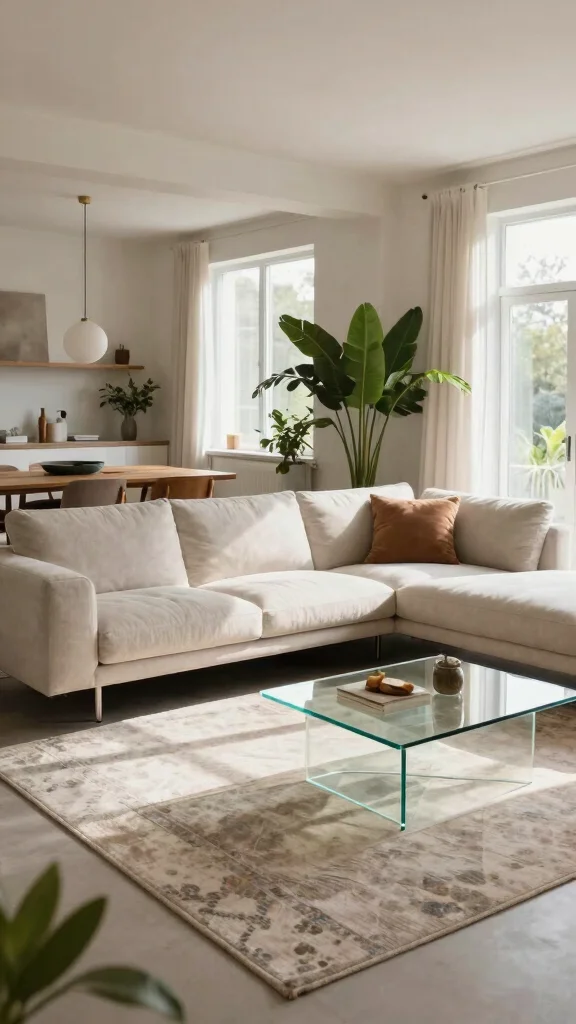
Creating a ‘floating’ sofa arrangement enhances the airiness of your living space. This design principle works wonders in open-concept layouts, providing definition without the confines of walls. Try a central sofa with a lightweight coffee table to allow light and flow throughout the room. You can also use natural materials like wood or rattan to add warmth to the design.
To implement this layout effectively, consider these practical tips. Opt for a transparent or glass coffee table to maintain an open look, and keep the sofa back facing the dining area to encourage interaction across spaces. Layer in side chairs to form a cozy conversation nook while avoiding clutter.
Consider these elements to maximize this layout’s potential:
– Pair a central sofa with a clear glass coffee table
– Install open shelving behind the sofa for added storage
– Use textured rugs to define the sitting area
– Incorporate plants to enhance the natural feel
This approach not only allows for easy movement but also brings a spacious, inviting atmosphere to your living room.
Recommended Products

【QUICK ASSEMBLY, EASY FOLDAWAY】This storage ottoman from the SONGMICS MAZIE Collection has a foldable design that allows quick setup in seconds by simply inserting the bottom panel. Easily fold and store it under the bed or in a closet when not in use.

【Sturdy & Durable】Storage ottoman is made of high quality fine linen-look fabric with fine stitching and beautiful atmosphere. Built with durable MDF, this folding ottoman supports up to 300 lbs. Its solid structure makes it ideal for sitting, standing, or even using as a step stool, ensuring long-lasting stability and utility.

The HIGOGOGO pouf ottoman with a soft and plush long-haired outer layer and full filling, making it perfect for use as an ottoman foot rest or seat cushion.20x20x15 inch size, this ottoman pouf is versatile enough for use with a coffee table, side table, or floor cushion in any room of the house.
The Floating Sofa
Editor’s Choice

Sikaic Square Fluted Coffee Table with LED Lights and Tempered Glass Dra…
 Amazon$209.99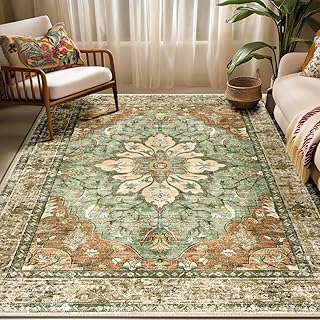
Area Rugs 5’x7′ Washable Non-Slip, Floral Vintage Distress Print Pattern…
Amazon$39.99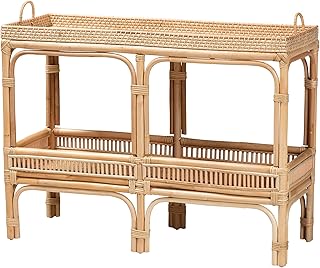
Bali & pari Lombok Modern Bohemian Natural Rattan 2-Tier Console Table
Amazon$203.942. Corner Comfort
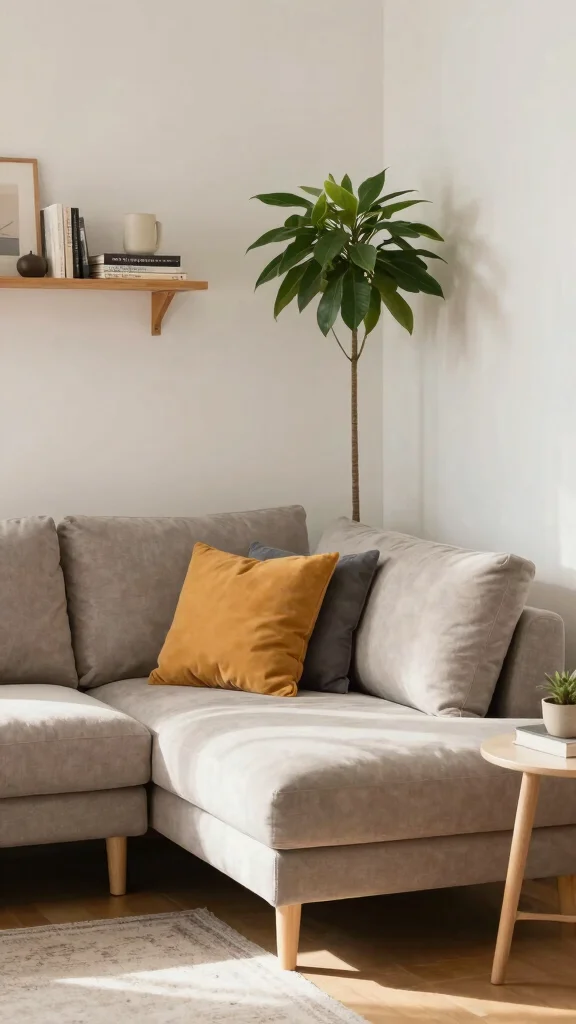
Utilizing corners smartly can amplify the functionality of your living room. By placing a snug sofa or chair in the corner, you open up the central area for movement and air. This arrangement creates an inviting nook perfect for relaxation and conversation, making the most of every inch.
To enhance your corner layout, choose furniture with a compact design to keep the space feeling open. Consider adding tall plants or a corner bookshelf to draw the eye upward, adding visual height to the room. Soft pillows and throws will also make the area inviting and comfortable.
Here are some ideas to create cozy corner comfort:
– Place a small sofa or chair in the corner
– Integrate a tall bookshelf for visual interest
– Use a round rug to soften corner edges
– Add warm textiles like pillows for comfort
This layout encourages intimate gatherings while transforming an unused corner into a charming retreat.
Recommended Products

Ultra Soft area rug: Sink into plush comfort with a 1.7-inch high-pile, delivering cloud-like softness ideal for relaxation in your living room or bedroom.

Moroccan-Style Design: This 3x5 washable rug features a Moroccan-inspired pattern, combining geometric lines and shapes that effortlessly complement any interior design style.

COOL GAMER DESIGN: Transform your bedroom, playroom, or dorm into a gamer zone with this neon game controller rug. Featuring bold lightning effects and vibrant colors, it adds the perfect cool vibe for boys, teens,man and gamers.
Dimensions & Size Guide
When planning your living room furniture layout, understanding dimensions is key. It ensures that you create a space that is both functional and comfortable. Let’s break down the essential measurements and size considerations for your living room.
Standard Sizes & Measurements:
– Sofa: A standard sofa typically ranges from 72 to 96 inches in length. Make sure to leave at least 30 inches of walkway space around the sofa for easy movement.
– Coffee Table: The ideal height for a coffee table is between 16 and 18 inches. It should be about two-thirds the length of your sofa. Ensure there’s at least 18 inches between the coffee table and the sofa for comfort.
– Accent Chairs: Expect accent chairs to be around 30 inches wide. Position these at least 30 inches apart to allow for movement and conversation.
– TV Stand: A TV stand should be roughly the same width as your TV. If your TV is 55 inches, your stand should be about 50-60 inches wide. Keep a distance of 8-10 feet between seating and the TV for the best viewing experience.
Minimum Requirements for Proper Fit or Function:
– For a small living room, aim for at least 50 square feet of usable space to accommodate a sofa, coffee table, and an accent chair without feeling cramped.
– Allow at least 36 inches of clearance for high-traffic areas. This helps in avoiding bottlenecks and creating a more inviting atmosphere.
– If you have multiple furniture pieces, arrange them within a radius of 8 to 10 feet. This encourages conversation and engagement.
Space Planning Considerations:
– Visualize the layout before moving heavy furniture. Use painter’s tape to outline where each piece will go. This gives you a clear idea of how much space each item will occupy.
– Consider the focal point of your living room. Whether it’s a fireplace, artwork, or a large window, arrange your furniture to complement this feature.
– Ensure that electrical outlets are accessible for lamps and TV stands. Plan your layout around these practical needs to avoid extension cords that can clutter the space.
Quick Reference Table:
Size/Dimension – Best for: [use case], Minimum space needed: [measurement]
– 72-96 inches (Sofa) – Best for: Comfortably seating 3-4 people, Minimum space needed: 50 sq. ft.
– 16-18 inches (Coffee Table) – Best for: Easy access for drinks and snacks, Minimum space needed: 36 inches from seating.
– 30 inches (Accent Chairs) – Best for: Additional seating without crowding, Minimum space needed: 50 sq. ft.
– 50-60 inches (TV Stand) – Best for: Supporting your TV and media devices, Minimum space needed: Clear view with seating 8-10 feet away.
Space Planning Tips:
1. Measure First: Before buying furniture, measure your space. Knowing your room’s dimensions helps you select appropriately sized pieces.
2. Avoid Overcrowding: Leave enough space between furniture. A common mistake is cramming too much into a small area. Less is often more.
3. Plan for Flow: Walk through your living room. Ensure there are clear paths to move around without obstacles.
4. Use Visual Aids: Utilize online room planners or apps to visualize your layout. Seeing it digitally can help you make better choices.
5. Don’t Forget Scale: Consider the size of your furniture in relation to your living space. Bulky pieces can overwhelm small rooms. Aim for a balance between style and scale.
Pro Tip: Always prioritize the measurement of your sofa. This piece often dictates the layout of your living room. Ensuring it fits well in your space can make all the difference in creating a functional, inviting atmosphere. 🛋️
Recommended Products

【Minimalism Style】SENGALOTI Glass Coffee Table features a sleek, minimalist rectangular geometric design that adds sophistication to your space. Our coffee table is perfect for small spaces and apartments, serving as a center table infront of your sofa or TV, sofa or in the center of your room.

【Selected Materials Built To Last】Constructed by high-quality tempered glass and stainless steel tubes, this glass coffee table is solid and durable with strong load bearing. Moreover, the tempered glass wouldn't break easily, much safer than normal glass, and metal legs add the table extra stability.

Elegant Round Coffee Table: Small coffee table is made of 6mm Explosion-proof glass and sturdy metal frame,a minimalist modern center table with rational structure, it offers a durable and stable daily use to last years.
Corner Comfort
Editor’s Choice

Bamworld Plant Stand with Grow Light for Indoor Plants Corner 7 Tier Met…
Amazon$42.99
L Shaped Single Sofa, Modern Comfy Chenille Fabric Loveseat Couch, No As…
Amazon$299.99
Huuger 5 Tier Bookshelf, L Shaped Corner Bookshelf with 10 Open Shelves,…
Amazon$119.993. Multi-functional Furniture
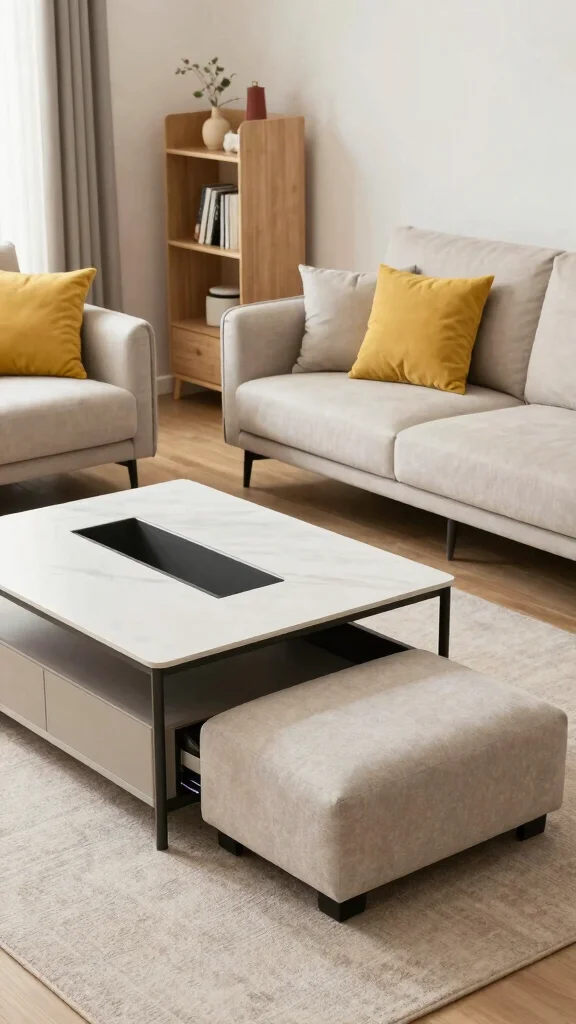
In smaller living spaces, each piece of furniture should serve multiple purposes. Embracing multi-functional furniture allows you to maximize utility without sacrificing style. Think of a coffee table that doubles as storage or an ottoman that can be a seat and a spot for stashing items.
Consider these functional solutions to enhance your living area. A sofa bed is perfect for accommodating guests without taking up extra space, while clever storage options keep your area tidy and organized. This approach emphasizes practicality without compromising on design.
Implement these smart furniture choices:
– Choose a coffee table with hidden storage
– Use an ottoman that serves as a seat
– Incorporate a daybed for extra sleeping space
– Select a console table with drawers for organization
These pieces not only save space but also add style to your living room, making it both functional and beautiful.
Recommended Products

Corner Modular Design for Flexible Layouts:Create the perfect L shaped or right angle sectional with our corner seat extension to maximize living room space


Spacious Modular Sectional: This large modular sectional couch is designed to comfortably seat 3 to 4 people, making it ideal for families or entertaining guests. Each piece can be freely rearranged to fit various room layouts, whether you're setting up a U-shape, L-shape, or separate seating areas for maximum flexibility
Multi-functional Furniture
Editor’s Choice

DUMOS 43in Foldable Storage Ottoman Bench, Storage Chest, End of Bed Foo…
Amazon$29.98
SEDETA 31.5″ Lift Top Coffee Table with Storage, Square Coffee Tables fo…
Amazon$149.99
Flamaker Futon Sofa Bed Modern Folding Futon Set Convertible Recliner Lo…
Amazon$139.994. Zone with Rugs
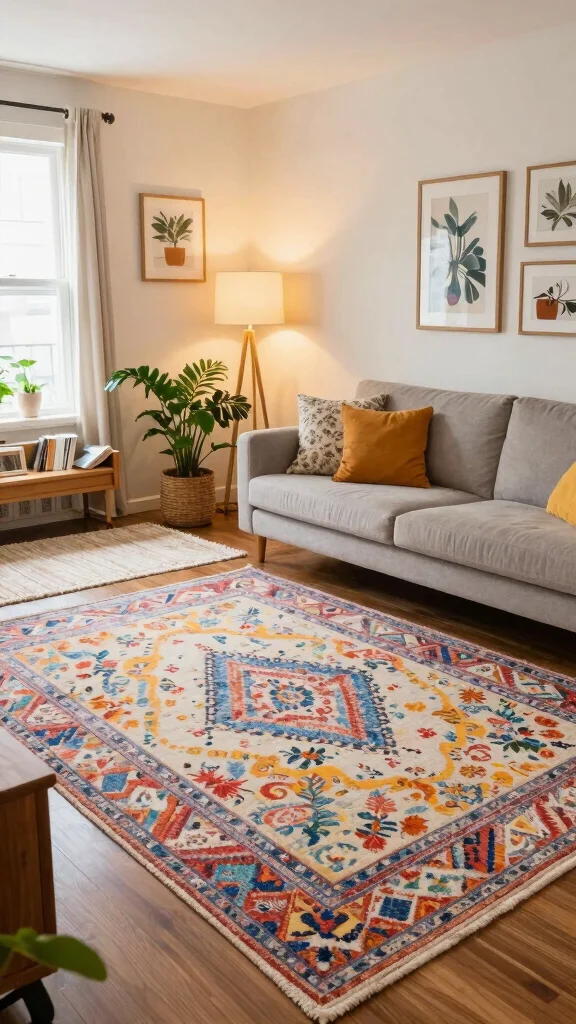
Rugs are versatile design tools that can effectively define different areas in your living room. By using rugs, you can create distinct zones that separate activities while maintaining a cohesive look throughout the space. This enhances both the flow and the functionality of your area.
To create effective zones with rugs, opt for a large area rug that can accommodate all your furniture, unifying the space beautifully. Smaller rugs can delineate specific spots like reading nooks or play areas. Adding contrasting textures will also bring depth and interest to your design.
Consider these rug strategies:
– Choose a large area rug to unify the space
– Use smaller rugs for defined activity zones
– Mix textures for added visual appeal
– Layer rugs for a cozy, inviting atmosphere
This layout approach not only enhances the flow of the space but also adds layers of personality and warmth to your living room.
Zoning with rugs is a real game changer for small living rooms and your living room furniture layout. A single large area rug unifies sofas and seating, while smaller rugs carve out reading nooks or play corners—keeping flow intact and your space cohesive.
Recommended Products

No Assembly Required: Instant Comfort, Zero Hassle: Forget confusing manuals and endless screws—this is the true Cloud Sectional Sofa experience. No tools, no effort, and absolutely No Assembly Required. Simply unwrap, release it from the sealed packaging, and watch as your Sectional Couch expands back to its full glory. Within minutes, it’s ready for use, and in just 72 hours, it achieves its ultimate plush, cloud-like comfort. Sit back, relax, and enjoy luxury with zero setup stress—because comfort should never come with an instruction booklet

Modular Cloud Sofa for Any Space: This cloud couch arrives in multiple boxes and configures any way you need—U-shaped conversation pit, L-chaise, loveseat with solo seats, or split across rooms. Whether you're furnishing a cozy apartment, family living room, basement hangout, home office, or professional workspace, simply add modules when you need more seats or remove them when space is tight. A modular sectional sofa that truly scales with your lifestyle.

SIZE:Small:7.6*6.6*3.8cm/3*2.6*1.5 in , Large: 11.3*8*5cm/4.4*3.1*2 in
Zone with Rugs
Editor’s Choice
Area Rugs 5’x7′ Washable Non-Slip, Floral Vintage Distress Print Pattern…
Amazon$39.99
GORILLA GRIP Strong Rug Pad Gripper, US Designed, Grips Help Keep Area R…
Amazon$6.99
Ophanie Small Rug Upgrade Non Slip Throw Bedside Area Rugs, Fluffy Soft …
Amazon$6.995. Embrace Open Shelving
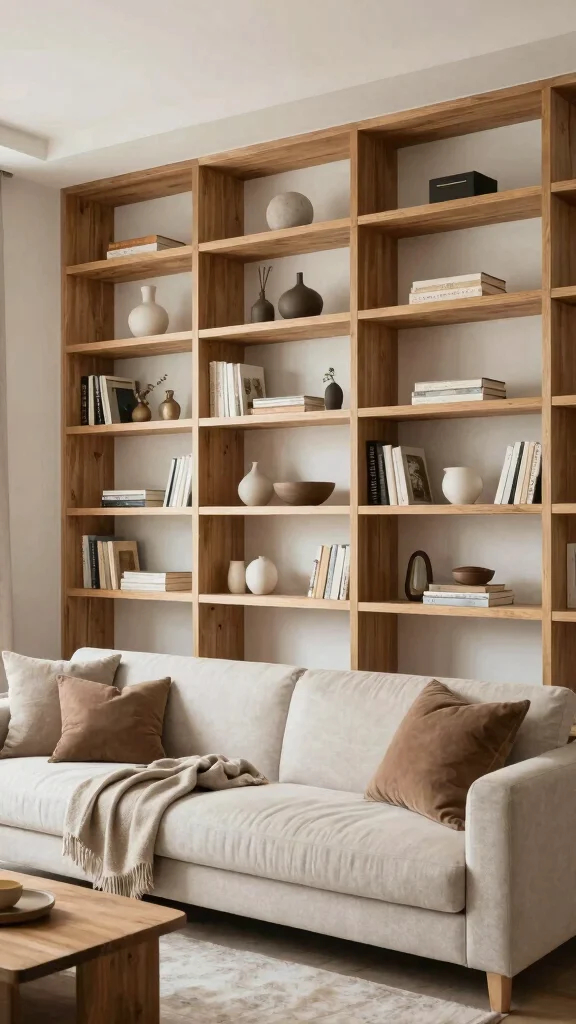
Open shelving is a fantastic way to create an illusion of space while showcasing your favorite decor items. Instead of bulky cabinets, opt for open shelves that keep the atmosphere light and airy. This design choice allows you to highlight personal touches that enhance your living room’s character.
To make the most of open shelving, display books, plants, and decorative items in an organized manner. Varying shelf heights can create a dynamic visual while choosing light-colored materials adds to the clean, open feel. This not only enhances style but also keeps your space feeling expansive.
Consider these tips for effective open shelving:
– Use shelves to display curated decor and books
– Hang shelves at varying heights for visual interest
– Choose light woods or white finishes for a fresh look
– Arrange items in groups for a cohesive display
By incorporating open shelving, you’ll create a sense of openness that beautifully showcases your personal style.
Embrace open shelving to make a small living room feel bigger—it’s all about light and airflow. Use varying shelf heights, light-colored materials, and a few well-placed books or plants to showcase personality within a practical living room furniture layout.
Recommended Products

【QUICK ASSEMBLY, EASY FOLDAWAY】This storage ottoman from the SONGMICS MAZIE Collection has a foldable design that allows quick setup in seconds by simply inserting the bottom panel. Easily fold and store it under the bed or in a closet when not in use

Heavy-Duty Support: Built with thick MDF panels for strong structural support, this storage ottoman bench holds up to 660 lbs. The cushioned top features high-density foam and breathable linen fabric, providing a comfortable seating experience

STURDY & SPACIOUS DESIGN:Large 30-inch round ottoman features a solid wood frame, ensuring stability while protecting floors. Its generous size offers ample seating and hidden storage, seamlessly blending durability with functional elegance.
You might also like
Embrace Open Shelving
Editor’s Choice

Storage Shelves – 5-Tier Large Capacity Shelf Organizer with Hooks, Heav…
Amazon$29.99
NETANY Plastic Storage Baskets – 8 Pack, Gray, Durable, Easy to Use, Fle…
Amazon$21.99
Bookshelf Decor Thinker Statue – Abstract Art Reading Thinker Sculpture …
Amazon$14.986. Tucked Away Tables
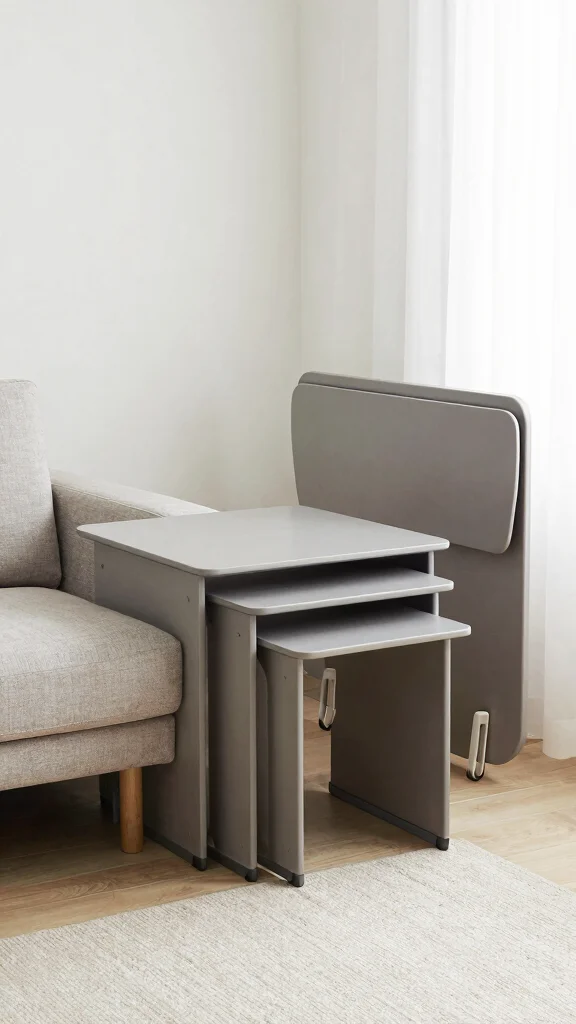
Side tables can be both functional and unobtrusive in a small living room. By using built-in or tucked-away tables, you can easily pull them out when needed without cluttering the area. This clever approach allows for flexibility and maintains an open, fluid layout.
Consider nesting tables that can be separated for additional surface space during gatherings. A drop-leaf table is another great option, expanding when you have guests and folding away when not in use. Wall-mounted tables can also save floor space while providing essential functionality.
Try these ideas for including tucked-away tables:
– Use nesting tables for versatile surfaces
– Choose a drop-leaf table for flexible usage
– Install wall-mounted tables for space-saving options
– Incorporate collapsible side tables for easy storage
This clever use of tables helps keep your area open while accommodating various activities seamlessly.
Recommended Products

Charming Sun Moon Pattern: Looking for a rug that turns your space into a whimsical wonderland? This artistic area rug—with a clean solid background and playful sun, moon, and star motifs—will wrap your room in unique mystery and expressive charm. Ready to make every step in your home feel like a stroll through the cosmos?

ULTRA SOFT LOW PILE PET & KID FRIENDLY AREA RUG: Made of faux wool & recycled polyester microfiber, cloud soft barefoot touch. Odor-free safe for toddlers, kids, dogs and cats. Tight low pile resists pet hair buildup and claw scratches. Fix cold hard floor pain for big families. Works as playroom rug, bedside bedroom rug, apartment living room rug.

Unique Abstract Art Rugs: Our modern abstract area rugs pour infinite creative inspiration into your living space. This 5x7 blue abstract rug with navy grey striped features free-flowing abstract line elements for a perfect collision of modern and contemporary. We offer a wide range of styles, including abstract, minimalist, modern, art deco, accent and more, ensuring that each rug will be the finishing touch to elevate the style of your home.
Tucked Away Tables
Editor’s Choice

Pmnianhua Wall Mounted Desk, Wooden Folding Desk Space Saving Wall Desk …
Amazon$215.10
Signature Design by Ashley Hammis Round Dining Room Drop Leaf Table, Sea…
Amazon$139.99
SUPER DEAL Nesting Tables Set of 3, Industrial C Shaped End Table Stacka…
Amazon$52.197. Light and Airy Colors
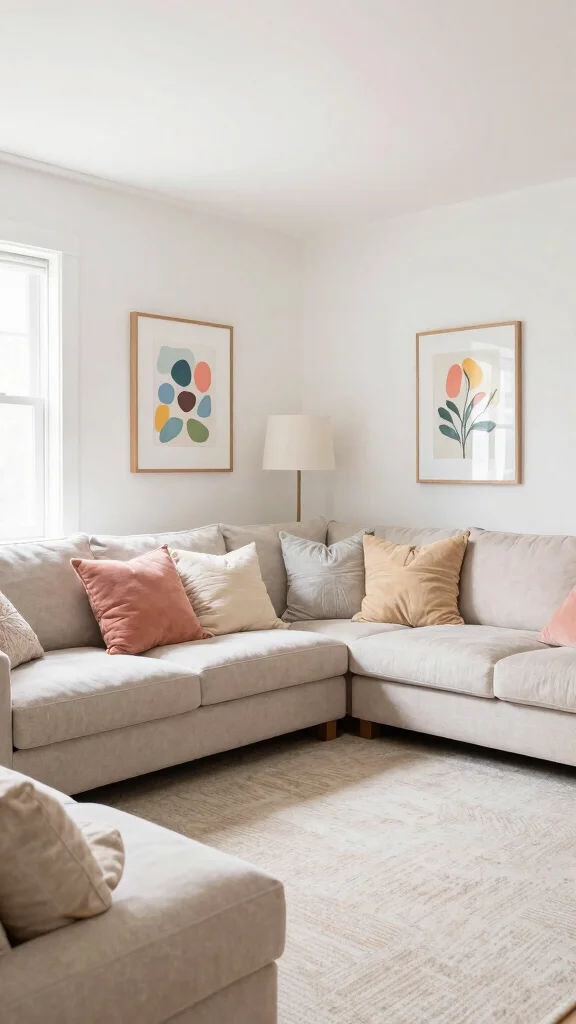
The color scheme you choose can profoundly influence how spacious your living room feels. Light and airy colors create an atmosphere that feels larger and more inviting, encouraging a sense of tranquility. Soft pastels or whites reflect light beautifully, enhancing the overall brightness of the room.
To elevate your small space with color, stick with a monochromatic palette to unify the design. Incorporate softer shades as larger elements while utilizing pops of color in accessories to maintain visual interest without overwhelming the space.
Consider these color tips for a light, airy feel:
– Stick with a monochromatic color scheme for cohesion
– Use soft pastels to reflect natural light
– Incorporate bold colors in small decor items
– Keep walls and larger pieces light to enhance openness
By using light colors, you create a refreshing and spacious environment that feels both inviting and comfortable.
Recommended Products

🎄【Durable】: Replace the Medium Density Fiberboard legs with metal tubes,never cracking during using.

[Easy Assembly] - Only need 5 minutes, you will get a simple and exquisite square glass coffee table. Our center table combines the clear glass, the minimalist design also adds unique aesthetic to your room.
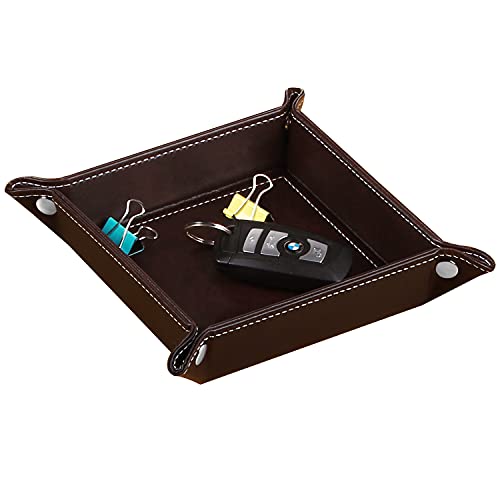
►SPACIOUS SIZE: Measuring 6.6 x 6.6 x 1.5 inches, this large capacity valet tray offers ample space for all your essentials. It functions as a comprehensive watch organizer, ring dish, and jewelry tray holder for your cufflinks, tie clips, bracelets, and phone.
Light and Airy Colors
Editor’s Choice

Ophanie 8×10 Area Rugs for Living Room, Upgrade Non-Slip Fluffy Soft Lar…
Amazon$69.99
Round Throw Pillow Thickened Seat Cushion Sofa Cushion Meditation Pillow…
Amazon$18.99
SIGNFORD Framed Canvas Print Wall Art Pink Baby Pastel Blue Landscape Ab…
Amazon$49.498. Strategic Lighting
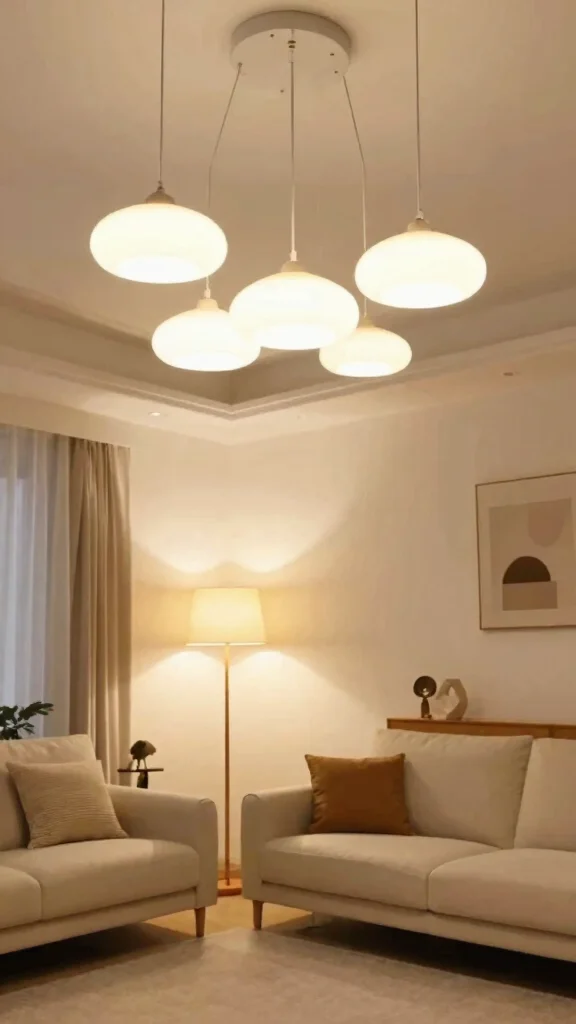
Effective lighting is crucial for creating a sense of space in a small living room. Layered lighting can transform your area into one that feels larger and more welcoming, enhancing both functionality and ambiance. By incorporating various light sources, you can achieve a beautifully illuminated space.
To maximize your lighting strategy, use a combination of overhead fixtures along with floor and table lamps for depth. Dimmers are also a smart addition, allowing you to adjust brightness levels based on the time of day or mood. Accent lights can highlight decor while saving valuable floor space.
Implement these strategic lighting ideas:
– Combine overhead lights with floor and table lamps
– Use dimmers for adjustable lighting
– Incorporate sconces to save floor space
– Highlight decor with accent lighting for focus
This thoughtful approach to lighting enhances the overall aesthetic, subtly making your living room feel more spacious and inviting.
Fun fact: layered lighting can visually expand a small living room by up to 30%. A ceiling light, floor lamp, and dimmer combo makes the space feel bigger and cozier, improving your living room furniture layout without moving a thing.
Recommended Products

High Back Support: Enjoy enhanced comfort with a supportive high backrest designed to cradle your back and shoulders. The generously padded back cushions provide a relaxing sitting experience for movie nights, reading, conversations, or everyday lounging. Create a cozy retreat where you can fully unwind after a long day.

Cloud-Like Comfort: Featuring 3D cutting technology, the memory foam sofa is filled with 35D elastic foam, providing excellent support and resilience for a more comfortable seating experience. Experience cloud-like comfort the moment you sit down
Strategic Lighting
Editor’s Choice

BOHON LED Desk Lamp with USB Charging Port 3 Color Modes Dimmable Readin…
Amazon$29.97
Brightever 4Pack LED Flush Mount Ceiling Light Fixture, 12 Inch 24W, Sup…
Amazon$39.99
PESRAE Floor Lamp, Remote Control with Stpeless Color Temperatures and B…
Amazon$29.999. Less is More
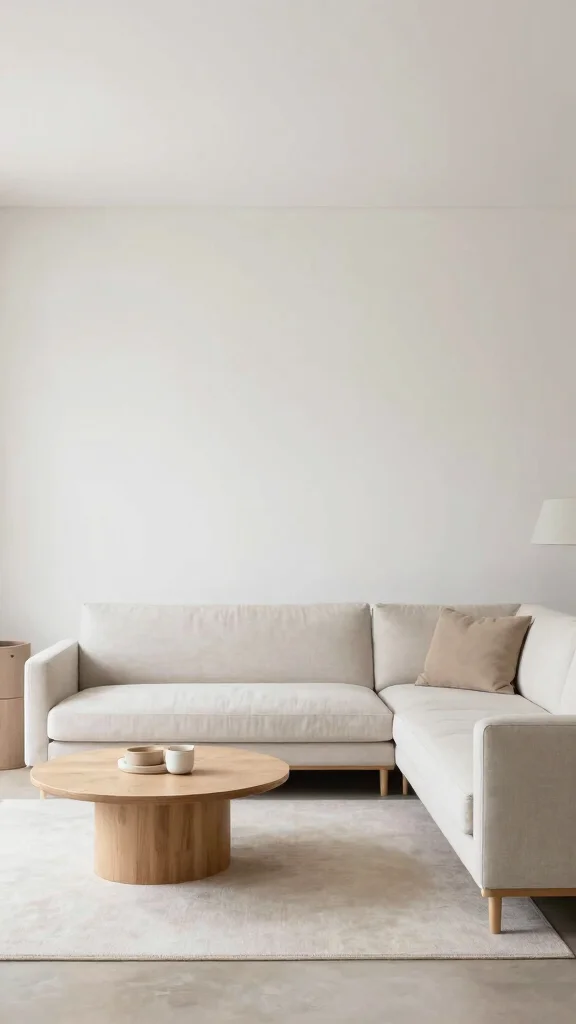
Sometimes, the best approach for small living rooms is to declutter. Embracing a minimalist philosophy can help maintain an open space and foster a relaxed atmosphere. By focusing on essential pieces, you can create a serene environment that feels much larger than its actual size.
To achieve this, keep only the most functional furniture and eliminate excess items. Decorative bins or boxes can help you minimize visible clutter while still providing necessary storage. Limiting decor to a few key pieces also allows your personal style to shine through without overwhelming the space.
Consider these decluttering strategies:
– Retain only essential, functional furniture
– Use decorative bins for concealed storage
– Limit decor to a few standout pieces
– Create a calm atmosphere with open surfaces
By adopting minimalism, you’ll foster a tranquil living space that feels open and inviting.
Less is More
Editor’s Choice

JUXYES 2-Tiers Stack Carry Storage Box With Handle, Transparent Stackabl…
Amazon$23.9910. The Power of Mirrors
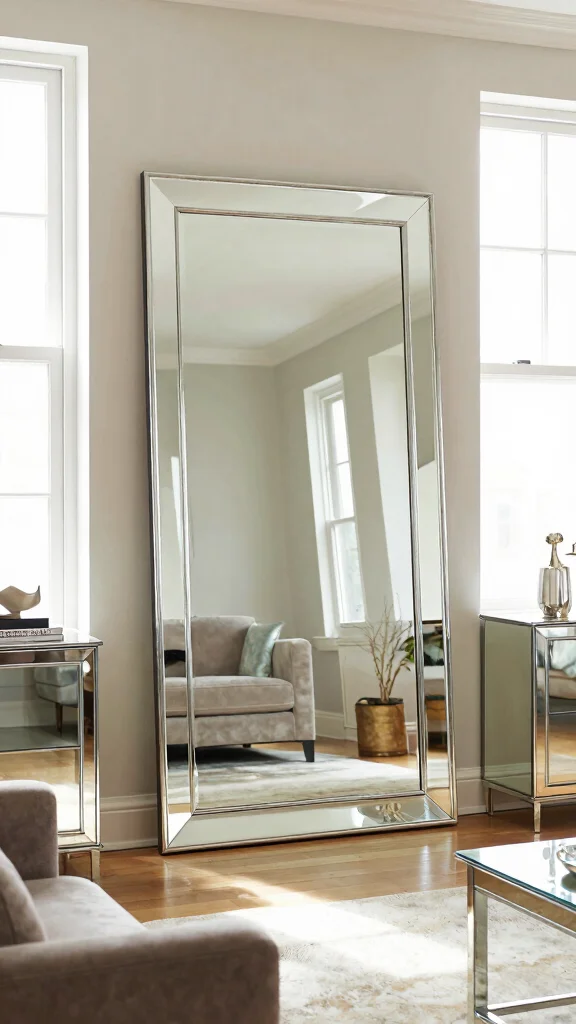
Mirrors are a clever design trick for creating the illusion of a larger space. When strategically placed, they can reflect light and enhance the openness of your living room. This simple addition can dramatically transform the perception of your area.
To use mirrors effectively, position a large mirror opposite a window to maximize natural light reflection. Mirrored furniture can also add depth while maintaining a chic appearance. Hanging mirrors at different heights creates a dynamic visual that keeps the space interesting.
Consider these mirror strategies:
– Position a large mirror to reflect natural light
– Use mirrored furniture for added depth
– Hang mirrors at various heights for visual interest
– Create a gallery wall with mirrors for flair
Utilizing mirrors creatively can help you achieve that airy feel, making your small living room feel much more inviting.
The Power of Mirrors
Editor’s Choice

VINGLI Mirrored Nightstand Glass End Table, 23″ W Silver Night Stand for…
Amazon$159.99
PERFNIQUE Irregular Wall Mirror Asymmetrical Mirror, 32”x24” Gold Mirr…
Amazon$65.98
Sweetcrispy 24″x36″ Arch Black Bathroom Wall Mirror, Metal Frame Vanity …
Amazon$29.9611. Personalized Touches
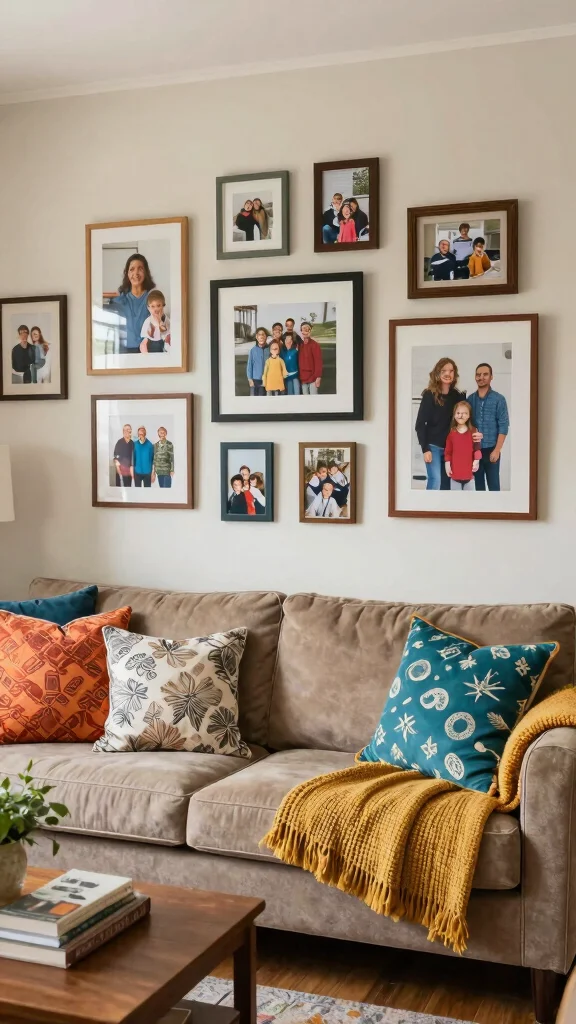
Finally, don’t forget to infuse your living room with personal touches. These elements make any space feel like home, regardless of size. By adding personal items, you create a warm and inviting atmosphere that showcases your unique style.
Consider displaying framed photos or a collection of meaningful art. Incorporate cherished heirlooms or travel souvenirs to give a unique flair to your decor. Textiles like throws and cushions can also reflect your personality and enhance comfort.
Here are some ideas for personalizing your space:
– Display framed photos or art collections
– Incorporate heirlooms for a unique character
– Use textiles that reflect your personal style
– Add decorative items that tell your story
These elements create a warm, inviting space that feels uniquely yours, making it a joy to spend time in.
Conclusion
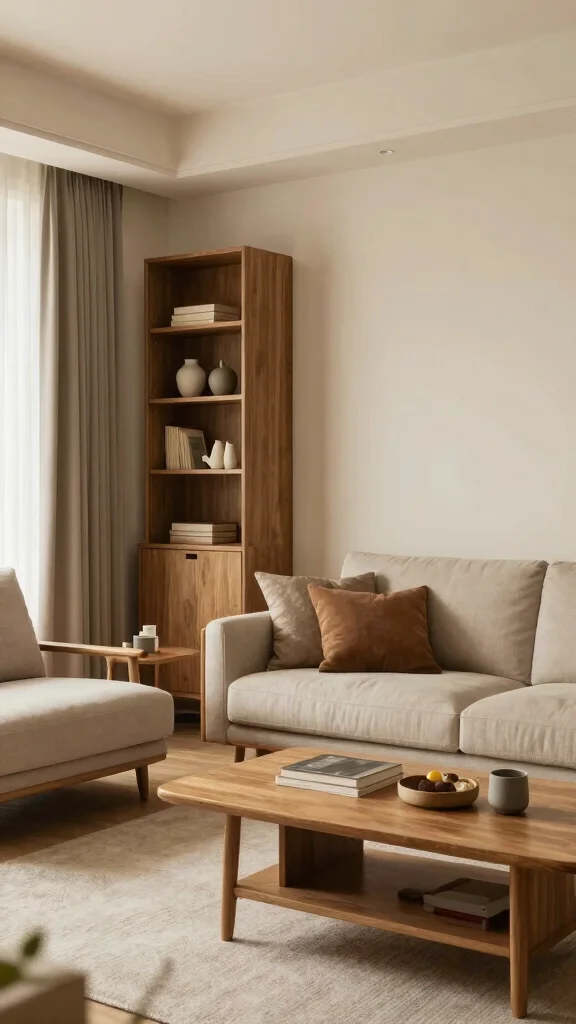
Creating a functional and stylish small living room is all about balance. By experimenting with different furniture layouts and incorporating clever solutions, you can optimize your space beautifully.
Don’t hesitate to mix and match these ideas to find what works best for your lifestyle. Remember, a well-designed living room can be both practical and a reflection of your personal style, making it a true sanctuary at home.
Note: We aim to provide accurate product links, but some may occasionally expire or become unavailable. If this happens, please search directly on Amazon for the product or a suitable alternative.
This post contains Amazon affiliate links, meaning we may earn a small commission if you purchase through our links, at no extra cost to you.
Frequently Asked Questions
What is the best living room furniture layout for a small space to maximize flow and function?
Start by measuring the room and mapping doors, windows, and outlets. For a small space, choose a living room furniture layout that keeps walkways open (aim for about 3 feet of clearance). Opt for a slim-profile sofa or a modular piece you can rearrange, and place seating to face a focal point (TV, fireplace, or a view) without blocking sightlines. Add a pair of compact chairs or a slim console to create conversation areas without crowding. Use open concept living cues like a continuous color palette and flooring to visually expand the area. These furniture arrangement ideas help you maximize maximizing living room space and maintain smooth flow.
How can you create an open concept feeling in a small living room without tearing down walls?
Think in terms of color, light, and scale. Use a cohesive color palette and minimal dividers to keep lines open, extend flooring visually, and define zones with rugs rather than walls. Choose low-profile or transparent furniture that doesn’t block sightlines, and add mirrors or reflective surfaces to bounce light around. By blending textures and keeping the palette consistent, you’ll achieve a true open concept living vibe and practical living room design tips for small spaces.
How can I zone an open-plan living and dining area without using walls?
Define each zone with smart furniture arrangement ideas. Place the sofa to create a boundary between the living and dining zones, or use a bookcase or console as a lightweight divider that still lets light pass through. Use differently sized area rugs to anchor each area, and layer lighting (pendants over the dining table, lamps in the living area) to reinforce the separation. This furniture arrangement ideas approach keeps flow while clearly delineating functions in open concept living.
What storage and seating solutions help maximize space in a compact living room without clutter?
opt for multi-functional pieces like storage ottomans, a coffee table with hidden compartments, and a slim console behind the sofa. Choose modular seating you can reconfigure, and use vertical storage such as wall-mounted shelves to free floor space. Keep seating flexible with lightweight chairs that can tuck away when not in use. With these small space solutions, you’ll boost maximizing living room space while keeping clutter at bay.
What factors should I consider when choosing the scale and placement of furniture to improve flow in a small living room?
Start with proportion: measure your room and pick furniture that fits without crowding. Maintain clear walkways (aim for at least 2–3 feet of clearance) and place a focal point – like a TV, fireplace, or window – where you can see it from most seating. Avoid oversized sofas that overwhelm the space; instead, prioritize living room furniture layout that creates accessible traffic paths. Use small space solutions to balance comfort with function, and keep sightlines open to preserve an open concept living feel.
Related Topics
living room furniture layout
small space solutions
open concept living
furniture arrangement ideas
maximizing space
minimalist design
budget friendly
beginner tips
functional layouts
cozy interiors
modern decor
design tips