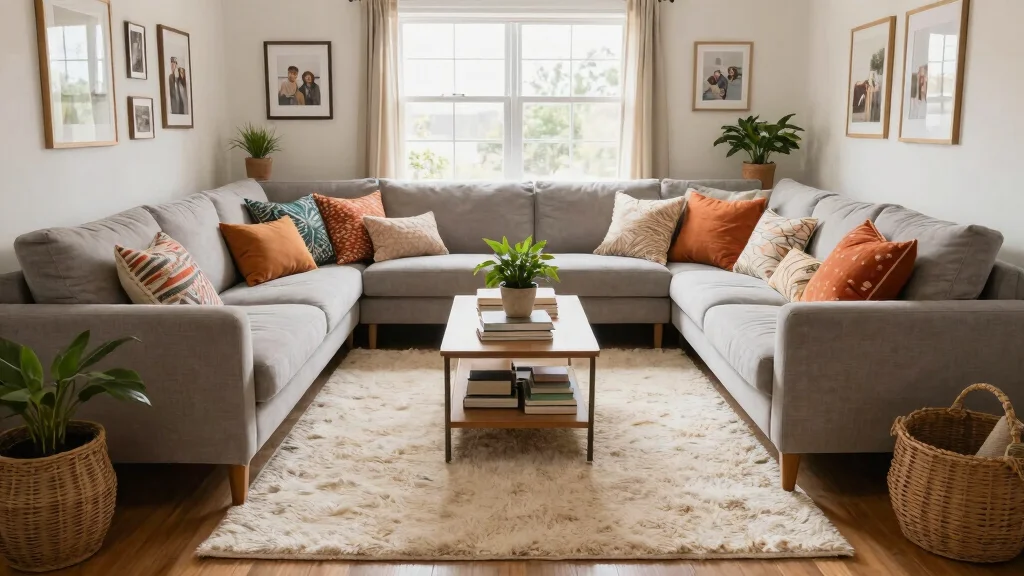
The quest for a spacious and inviting living room often feels like a challenge, especially when you’re working with limited square footage. It’s easy to feel cramped in small spaces, but the good news is that clever living room rug placement can make a world of difference. I created this post to help you discover how the right rugs can enhance your space and create an illusion of openness.
If you’re someone who loves home decor and is looking to maximize every inch of your living area, this article is for you. You might be searching for ways to arrange your furniture or wondering how to style your rugs effectively. In this guide, you’ll find 10 creative rug placement ideas that do just that. These tips will not only elevate your room’s aesthetic but also help it feel larger and more organized.
Get ready to transform your living room! By the end of this post, you’ll have actionable strategies for area rugs and rug layering to make your small space feel more open, stylish, and functional. Whether you’re a minimalist or someone who loves bold patterns, there’s something here for you.
Key Takeaways
– Using a rug to anchor your furniture can create a cohesive look and make your living room feel more organized.
– Layering rugs offers visual interest while helping to define different areas in an open space.
– A runner rug is perfect for narrow spaces, adding both style and practicality without overwhelming the area.
– Placing a rug in a corner can give your living room a creative layout and draw attention to unique features.
– Incorporating textures and colors in your rug choices can enhance the visual appeal and make your space feel larger.
Recommended Products

Soft & Durable: This 8x10 area rug low-pile combines soft faux wool fibers with a 0.25-inch height for comfort. Tight weaving reduces shedding and edge fraying, making it perfect for high-traffic areas like living rooms, bedrooms, and entryways

Machine Washable & Easy to Clean: The surface features water-repellent performance for simple cleanup when drinks spill accidentally, reducing the chance of liquid soaking deep into fibers. You can wipe spills quickly with a towel, remove local stains via spot cleaning with a damp cloth, or regularly vacuum for daily upkeep. The whole rug supports machine washing for deeper cleaning

Ultra Soft Fluffy 8x10 Area Rugs for Living Room: shag rug treat your feet to cloud-like comfort with our ultra-soft, high-density plush microfiber pile—designed to stay fluffier longer without shedding. Whether walking, sitting, or lying down, each step feels luxuriously soft. Furry fibers resist matting, keeping the plush texture season after season. Ideal for bedroom, living room, or nursery
1. Anchoring Your Furniture
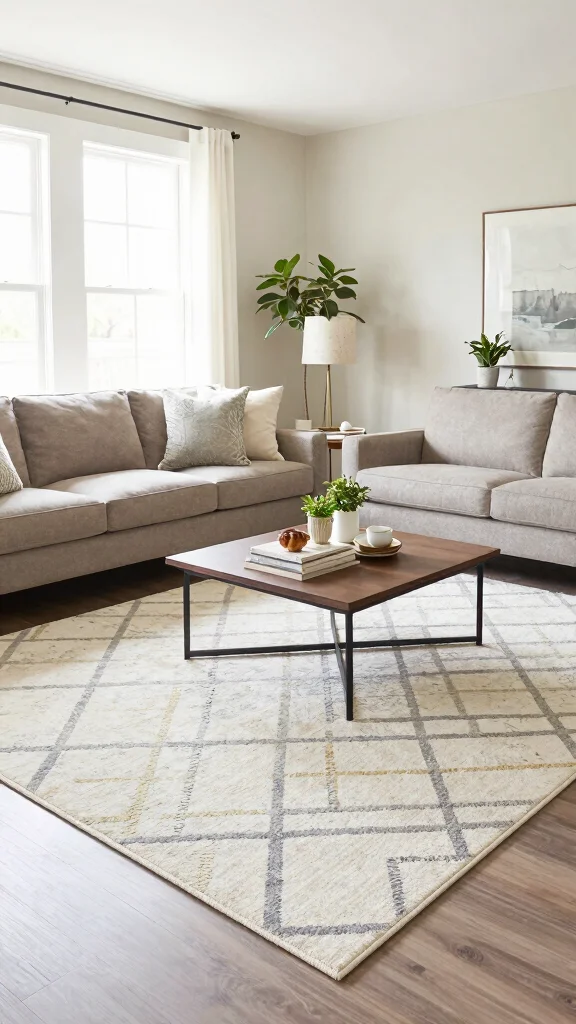
A well-placed area rug serves as the foundation for your living room, providing a sense of unity and openness. By selecting a rug that is appropriately sized to fit under your sofa and chairs, you create a space that feels organized and inviting. For instance, a soft, neutral rug can complement dark furniture, while a vibrant design can energize a subdued palette.
To effectively anchor your furniture, consider these practical tips:
– Choose a rug that’s at least 6 inches larger than your coffee table on each side.
– Use rectangular rugs for longer rooms and round rugs for wider spaces.
– If your furniture arrangement is cozy, opt for a smaller rug to create an intimate nook.
This placement method enhances flow and visually expands the area, making your living room feel more spacious and cohesive.
Recommended Products

Ultra Soft & Non-slip: Featuring a shaggy carpet surface, the Ophanie soft area rug is highly soft with a high-density sponge interlayer. This rug effectively reduces shedding, and the non-slip bottom with small, durable anti-slip dots enhances friction to prevent sliding.

Ultra Soft & Non-slip: Featuring a shaggy carpet surface, the Ophanie soft area rug is highly soft with a high-density sponge interlayer. This rug effectively reduces shedding, and the non-slip bottom with small, durable anti-slip dots enhances friction to prevent sliding.
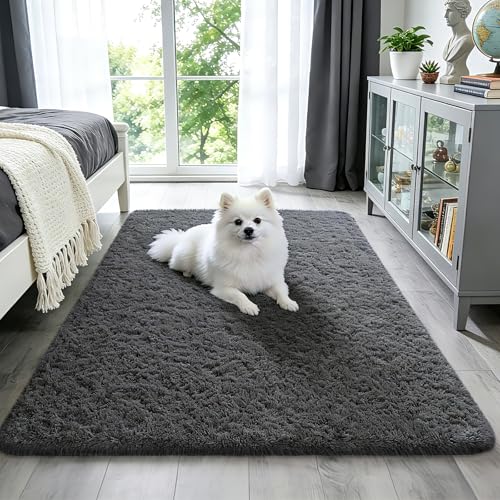
Ultra Soft & Non-slip: Featuring a shaggy carpet surface, the Ophanie soft area rug is highly soft with a high-density sponge interlayer. This rug effectively reduces shedding, and the non-slip bottom with small, durable anti-slip dots enhances friction to prevent sliding.
Dimensions & Size Guide
Standard Sizes & Measurements:
Choosing the right size area rug is key to making your living room feel bigger. Here are the common rug sizes you’ll encounter:
– 5′ x 8′ – Ideal for small living rooms, this size fits under the front legs of your furniture. It helps to define the seating area without overwhelming the space.
– 8′ x 10′ – Perfect for medium-sized spaces, this rug allows all furniture to sit comfortably on it, creating a cohesive look.
– 9′ x 12′ – Best for larger areas, this size can accommodate a bigger seating arrangement and offers a luxurious feel.
– Runner rugs (2′ x 6′ or 2′ x 8′) – These are great for narrow spaces, like hallways or between furniture pieces.
When selecting the rug size, you should leave at least 18 inches of floor exposed around it to create a visual border. This will help your room feel more open.
Quick Reference Table:
Size/Dimension – Best for: [use case], Minimum space needed: [measurement]
– 5′ x 8′ – Best for small living rooms or to define a small seating area, Minimum space needed: 8′ x 10′ area
– 8′ x 10′ – Best for medium-sized spaces with a sofa and chairs, Minimum space needed: 10′ x 12′ area
– 9′ x 12′ – Best for a larger living room with multiple seating options, Minimum space needed: 12′ x 15′ area
– 2′ x 6′ (Runner) – Best for narrow spaces or entryways, Minimum space needed: 2′ x 8′ area
Space Planning Tips:
1. Measure Twice: Always measure your space before purchasing a rug. Use a tape measure to get accurate dimensions. A common mistake is estimating rather than measuring, which can lead to purchasing the wrong size.
2. Visualize Your Layout: Use painter’s tape to outline where the rug will go. This helps you see if the size fits well with your furniture arrangement and available space.
3. Consider Furniture Arrangement: Think about how your furniture will sit on or around the rug. Ideally, the front legs of your sofa and chairs should rest on the rug to create a unified seating area. Avoid having only a small corner of a rug under furniture, as this can look awkward.
4. Allow for Traffic Flow: Ensure there’s enough room around the rug for people to walk comfortably. Aim for at least 12 to 18 inches of space around the edges so it doesn’t feel cramped.
5. Match the Scale: The rug should complement the scale of your furniture and room size. A large, bulky rug can overpower a small room, while a tiny rug can make a large room feel empty.
Pro Tip: The most important measurement to consider is the distance between the rug’s edge and your furniture. Aim for at least 18 inches of visible flooring around the rug to maintain a sense of openness in your small living room. This single rule can make a significant difference in how spacious your room feels! 🚀
Recommended Products

[SUBSTANTIAL & ROBUST]: Made with up to 5x more material by weight than comparable rugs, delivering enhanced durability, plush comfort, and long-lasting performance designed to hold up to everyday living
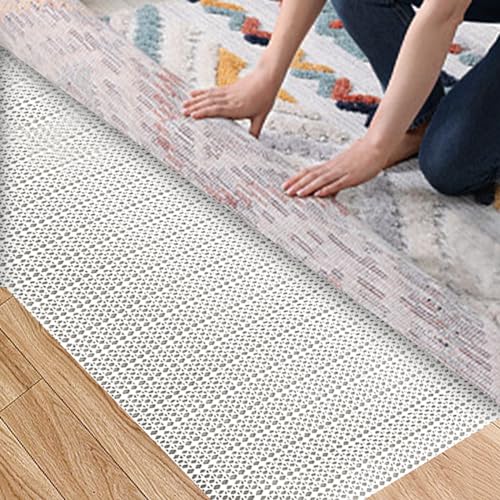
NON SLIP DUAL SIDED GRIP: The 8x10 Ft non slip rug pads take unique double sided powerful grip design. Keep your area rug in place firmly. Our non slip mat is the perfect solution to prevent your area rug or mattress topper sliding. Improve the comfort of the home

Easy spot cleaning and maintenance
Anchoring Your Furniture
Editor’s Choice

Veken Non Slip Cushioned Rug Pad Gripper 8 x 10 Ft, Felt and Silicone Ba…
 Amazon$69.98
Valenrug Washable Rugs 8×10 – Stain Resistant 8×10 Area Rugs for Living …
Amazon$129.992. Layering Rugs for Visual Interest
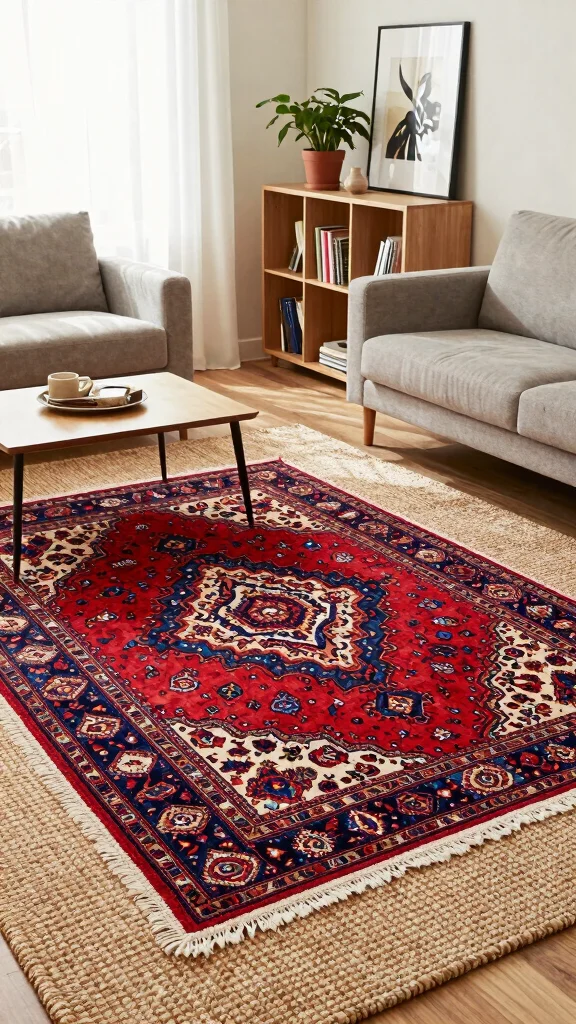
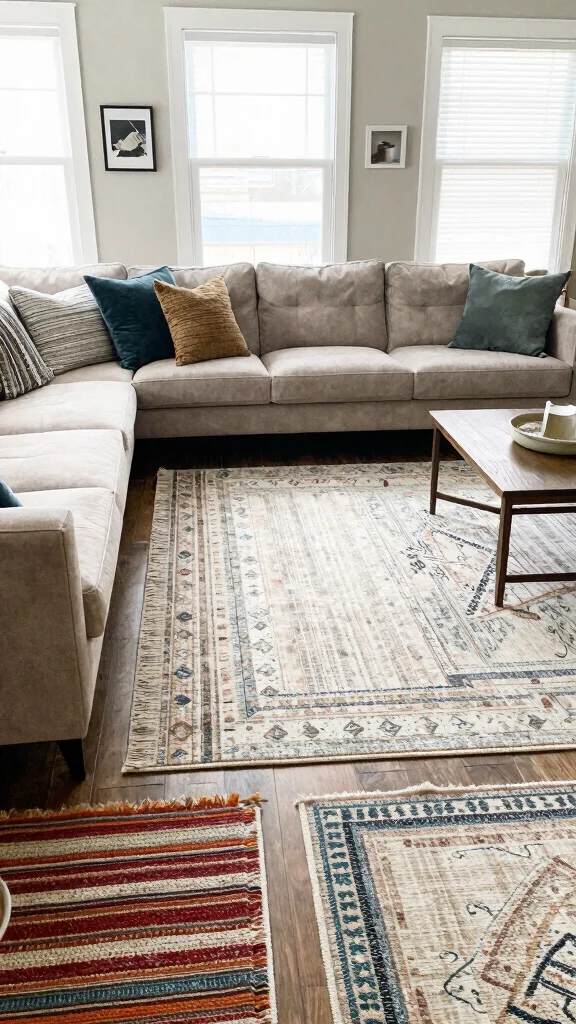
Layering rugs can add a striking visual dimension to your living room while offering a cozy feel. By starting with a larger, neutral rug and topping it with a smaller, patterned one, you can create a dynamic focal point that draws the eye. For example, a beige jute rug paired with a colorful Persian rug can add warmth and intrigue to the space.
To master the art of layering, keep these tips in mind:
– Choose a solid base rug to avoid clashing with your top layer.
– Mix textures, such as a woven base and a plush patterned top, for added depth.
– Ensure the colors of both rugs complement one another, creating a harmonious look.
This layered approach transforms a small living area into a stylish and inviting retreat, perfect for relaxation and gatherings.
Did you know layering rugs is a smart move for living room rug placement? It can visually expand a space by up to 15% when you start with a neutral base and add a patterned top rug.
Recommended Products

Size: 1.5x5 ft/ 17.7x60 inch/ 45x152 cm. Low Profile. 0.4 inch thickness. Simple Elegant Moroccan Trellis Lattice pattern. A beautiful all purpose runner rug. Looks great on wood or tile floors

Machine Washable: 2x6 hallway runner rug is crafted from high-quality materials that are completely machine washable, making maintenance a breeze; Say goodbye to stubborn stains and odors, and enjoy a fresh, clean entrance rug effortlessly, ensuring your home stays inviting and well-kept without the hassle

STYLISH DESIGN: This trendsetting striped area rug design in a rich warm color palette combination can be perfectly paired with a variety of home décor styles.
Layering Rugs for Visual Interest
Editor’s Choice

GORILLA GRIP Strong Rug Pad Gripper, US Designed, Grips Help Keep Area R…
Amazon$6.99
Loloi Loren Collection LQ-15 Terracotta/Sky 2′-3″ x 3′-9″ Accent Rug
Amazon$27.31
Valenrug Washable Rugs 8×10 – Stain Resistant 8×10 Area Rugs for Living …
Amazon$129.993. Using a Runner in Narrow Spaces
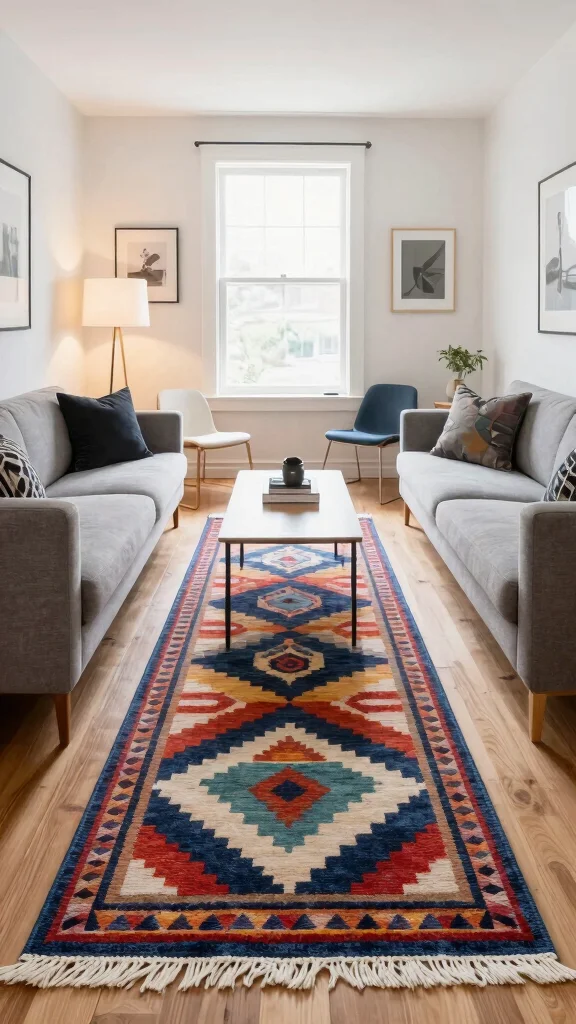
If your living room is narrow, a runner rug can visually elongate the space while adding style. A well-placed runner can lead the eye across the room, making it feel larger and more inviting. For instance, a striped runner can create the illusion of width while drawing attention to your décor.
To effectively use a runner, follow these helpful tips:
– Select a runner with a multi-directional pattern to enhance the perception of space.
– Lay the runner along the length of the room for best results.
– Ensure it’s wide enough to fit under a coffee table for easy flow.
This clever placement highlights the unique features of a narrow room, making it feel more spacious and accessible.
Recommended Products

NON SLIP AND CURLING: Unstable sliding carpets create household hazards. ZONGOOL rug tape stabilizes rugs and prevents corner curling. Compatible with all rug shapes for indoor and outdoor use, it holds carpets firmly in position and reduces common shifting and curling issues

Floral Vintage Charm: Layers of lush botanical florals framed by an ornate border bring timeless American vintage elegance to your home. The soft cream base and warm floral tones create a welcoming mood—like stepping into a sunlit garden filled with stories.

Thick, plush 0.5" pile height. 100% polypropylene power loomed in Turkey. Stain resistant and fade resistant. 100% jute backing is safe for wood floors. Extremely durable and very easy to clean, made to last for years.
Using a Runner in Narrow Spaces
Editor’s Choice

Madane Runner Rug 2×8, Washable Hallway Runner Rugs, Non-Slip Low-Pile S…
Amazon$21.99
Well Woven Modern Rug Squares Multi Geometric Accent 2’3″ x 7’3″ Runner …
Amazon$36.994. Corner Rugs for Creative Layouts
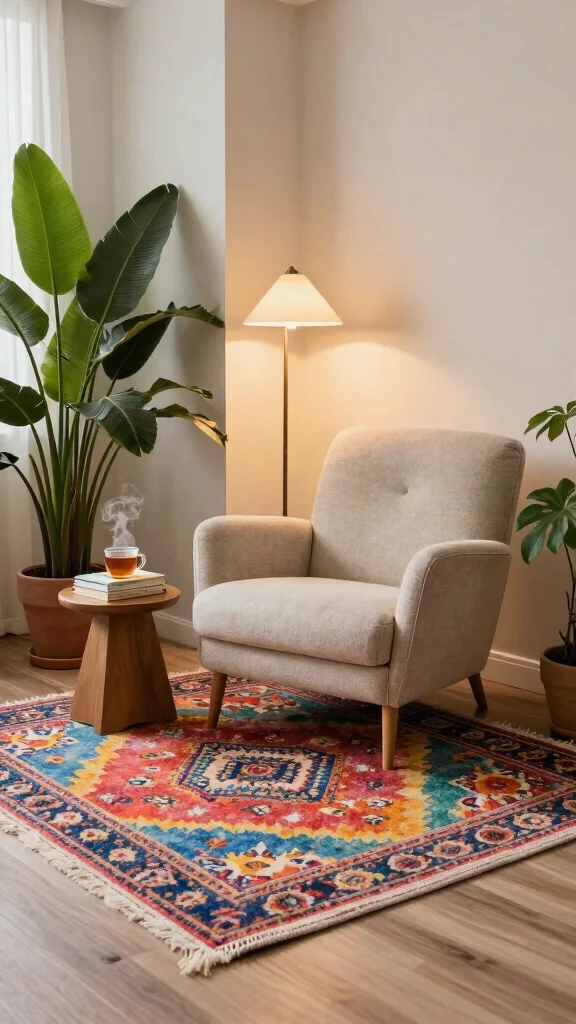
Placing a rug in the corners of your living room offers a unique way to define different areas without overwhelming the space. A small rug can enhance visual interest and highlight the room’s layout, creating cozy nooks for relaxation. For example, a vibrant rug in a reading corner can invite you to curl up with a good book.
Consider these tips for effective corner rug placement:
– Use small rugs to define specific areas like reading or game zones.
– Choose a bold pattern to draw attention to that corner.
– Pair the corner rug with suitable furniture to enhance its functionality.
This approach not only maximizes your floor space but also adds layers of texture and style, creating a welcoming atmosphere.
Recommended Products

[KEY ATTRIBUTES]: Size: 5' x 6'6" (5' x 7') | Thickness: 0.2 in. | Color: Seafoam Green

SOFTNESS & COMFORT: Step into cloud-like comfort with our 8x10 area rugs—unlike thin, mat-like competitors, ours are crafted from ultra-soft microfiber for a soft, cushioned feel underfoot. Perfect as bedroom rugs or cozy additions to high-traffic spaces, these soft, sumptuous rugs elevate everyday living while complementing family life

Vintage Design: This 5x7 ft beige area rug features artfully distressed floral patterns that create a timeless classic aesthetic. Versatile for living rooms, bedrooms, dining rooms and other indoor spaces.
Corner Rugs for Creative Layouts
Editor’s Choice

Veken Non Slip Rug Pad Gripper 8 x 10 Feet Extra Thick Pads for Any Hard…
Amazon$22.995. Floating Rugs and Open Floor Plans
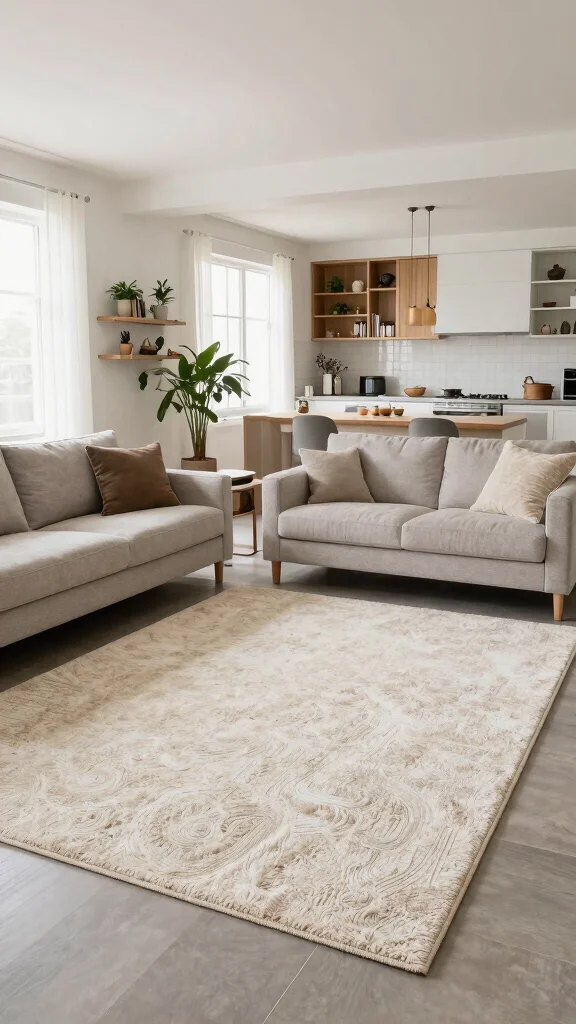
In an open floor plan, floating rugs can help delineate areas without disrupting the flow of the space. Instead of pushing the rug against the walls, position it centrally to foster an airy feel. For example, a large area rug can define a seating zone while leaving open floor around it.
Here are some tips for using floating rugs effectively:
– Position the rug to mark the seating area, leaving a border of flooring visible.
– Ensure major furniture pieces are either on or partially on the rug.
– Opt for larger rugs to tie the entire area together.
This design choice enhances airiness while maintaining a sense of organization in your living room.
Recommended Products

Ultra Soft & Non-slip: Featuring a shaggy carpet surface, the Ophanie soft area rug is highly soft with a high-density sponge interlayer. This rug effectively reduces shedding, and the non-slip bottom with small, durable anti-slip dots enhances friction to prevent sliding.

[Cottage Floral Rug] – This indoor outdoor mat features a delicate floral pattern blossoms and leaves. The charming scalloped edge enhances its vintage charm, making it a perfect layered door mats for french country, farmhouse, or cottagecore home decor or outdoor front porch decor (© 2025 Othilic)

VERSATILE DESIGN: This outdoor rug has a soft texture that adds comfort to indoor and outdoor spaces alike.
You might also like
Floating Rugs and Open Floor Plans
Editor’s Choice
Veken Non Slip Rug Pad Gripper 8 x 10 Feet Extra Thick Pads for Any Hard…
Amazon$22.99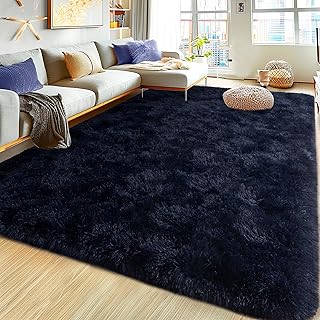
Ultra Fluffy Rug for Living Room Bedroom, 5×7 Fuzzy Large Area Rug for L…
Amazon$27.996. Color and Pattern Play
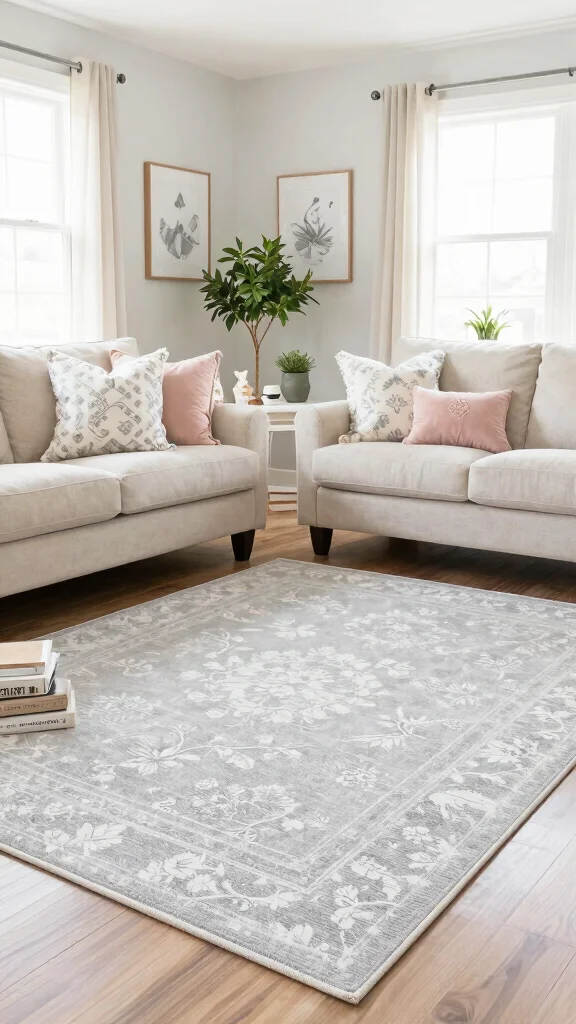
The color and pattern of your rug can dramatically influence how spacious your living room feels. Light, neutral shades can promote an open atmosphere, while strategic bold patterns add energy without crowding. For instance, a pale rug can make a small room feel larger, while geometric patterns can offer visual excitement.
Keep these tips in mind for effective color and pattern incorporation:
– Choose lighter hues for a serene and airy feel.
– Thoughtfully mix patterns to ensure they complement each other.
– Incorporate accent colors that resonate with your rug for harmony.
This approach allows you to express your personal style while enhancing the visual appeal of your living space.
Recommended Products

Modern Abstract Design: Elevate your living space with the RUGSREAL Machine Washable Area Rug, featuring a contemporary abstract solid pattern that seamlessly blends with modern decor. Ideal for adding a touch of sophistication to any room
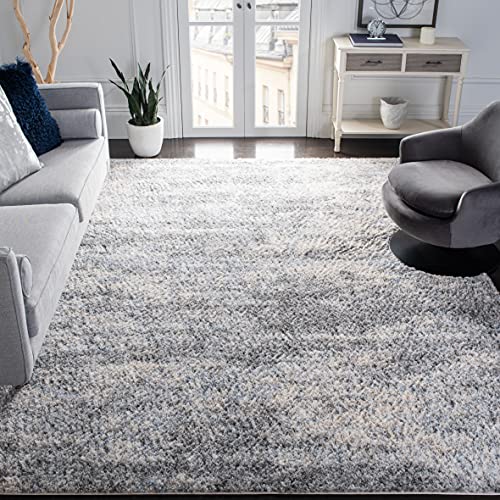
[SUBSTANTIAL & ROBUST]: Made with up to 5x more material by weight than comparable rugs, delivering enhanced durability, plush comfort, and long-lasting performance designed to hold up to everyday living

EASY TO CLEAN 7x9 WASHABLE RUG: Enjoy effortless cleaning with our machine washable rug. Its stain-resistant fibers repel spills, while the low 0.25in pile lets your robot vacuum glide smoothly, trapping no debris. Perfect for busy dining room areas
Color and Pattern Play
Editor’s Choice
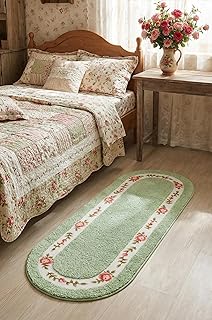
Stay Young Decorative Rose Flower Area Rug,Bedroom Living Room Bathroom …
Amazon$18.99
JINYO Butterfly Pillow Covers 18×18 inch, Butterfly Gifts for Women, But…
Amazon$4.997. Minimalist Choices for Small Spaces
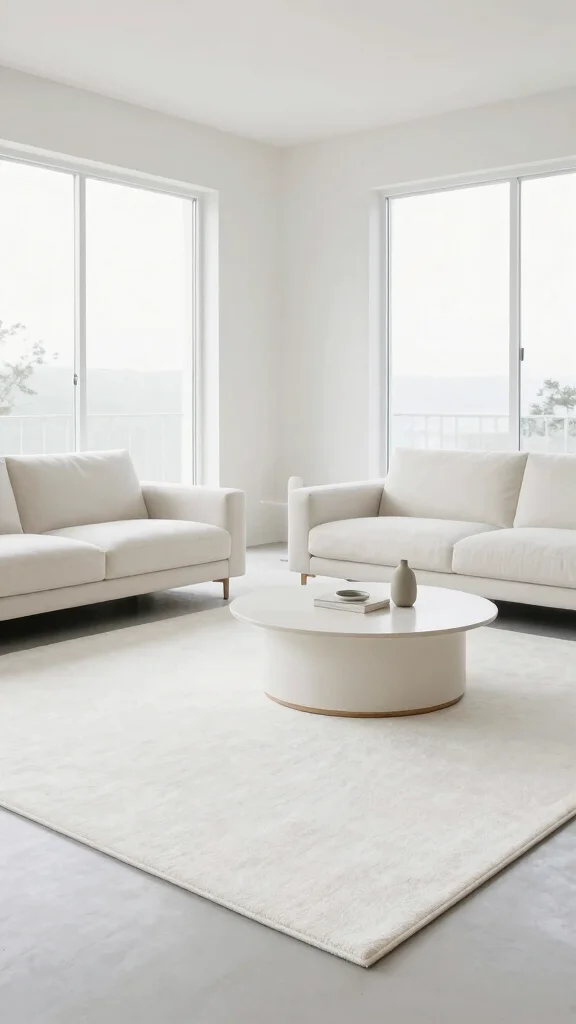
Embracing a minimalist approach to rugs can significantly benefit smaller living areas. A simple, streamlined rug can maintain a sense of space while adding comfort and style. For example, a light-colored solid rug can brighten the room and make it feel more open.
Consider these minimalist rug strategies:
– Choose a light solid rug to enhance brightness.
– Ensure the rug size fits the space; avoid oversized options.
– Opt for subtle textures that add depth without cluttering.
This minimalist approach creates a sophisticated look that keeps your living room feeling spacious and airy.
Recommended Products

🛋️ Ultra-Soft Short Pile – Cozy Underfoot Step onto a plush, fleece-like surface that feels gentle on bare feet. The low-profile short pile offers a luxurious, velvety touch without trapping dirt or pet hair. Perfect for hallways, bedrooms, and living rooms where you want warmth and everyday comfort.

Non Slip & Durable Rug: The surface of the boho vintage runner is made of premium faux wool, soft and not easy to shed. The bedroom rug has non-slip TPR rubber backing, provides a strong grip to against slipping, and the reinforced overlock edges makes it more durable

Non Slip & Durable Rug: The surface of the boho wshable runner is made of premium faux wool, soft and not easy to shed. The bathroom rug has non-slip TPR rubber backing, provides a strong grip to against slipping, and the reinforced overlock edges makes it more durable
Minimalist Choices for Small Spaces
Editor’s Choice

Farmhouse Brown Rugs for Living Room 8×10 – Taupe Rustic Minimalist Area…
Amazon$119.99
JONATHAN Y Haze Solid Low-Pile Gray Indoor Area Rug 3×5, Coastal,Bohemia…
Amazon$35.00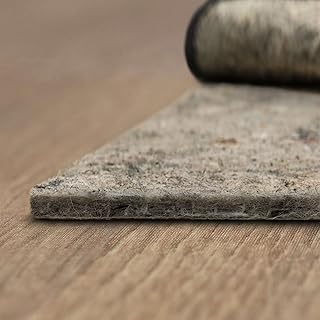
Mohawk Home Non Slip Rug Pad 1/4″ Thick Felt + Latex Rubber Gripper – Du…
Amazon$67.628. Multi-Purpose Area Rugs
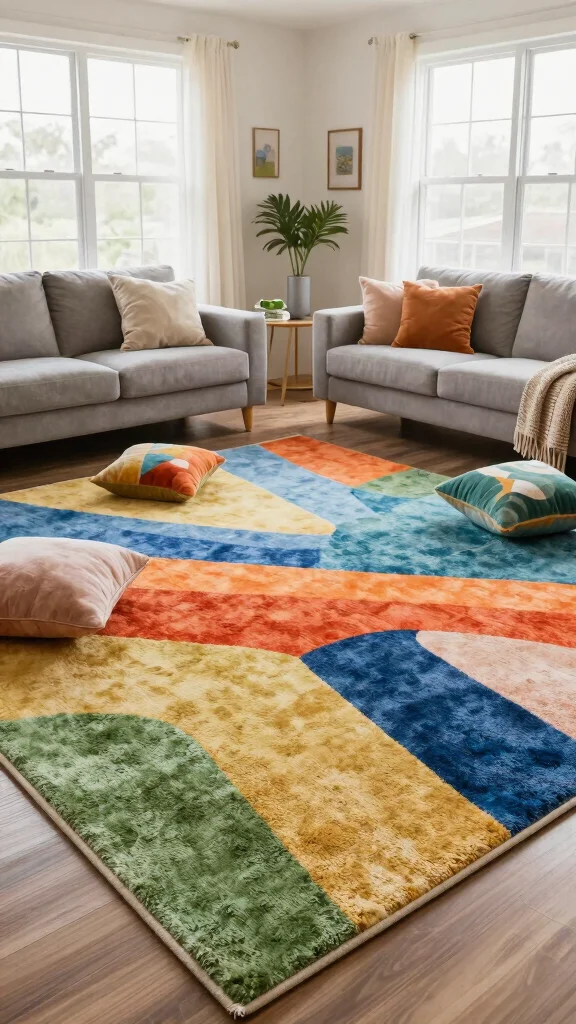
Multi-purpose area rugs can enhance the functionality of your living room while maintaining a spacious look. Versatile rugs that can be easily moved or adapted make for a practical choice. For instance, lightweight rugs can be shifted for different activities, like playtime or entertaining.
Here are some ideas for maximizing multi-purpose rugs:
– Use lightweight options that can be easily repositioned.
– Choose outdoor rugs for seamless indoor-outdoor transitions.
– Look for reversible rugs for varied seasonal styles.
This strategy ensures your living area stays practical while preserving an airy feel.
❝ Lightweight, multi-purpose rugs boost living room rug placement without crowding space. Move them for playtime, movie nights, or hosting guests, and use outdoor-inspired options for easy indoor-outdoor transitions. Practical, versatile rugs keep the room feeling bigger. ❞
Recommended Products

🐿️FANTASY ANIMAL DESIGN: Add a touch of fantasy to your home with this nesrt botanical 5ft fox round bedroom rug. Its bold orange fox print and dreamlike forest pattern on a black background create a warm, magical accent that matches nearly any decor theme

Luxuriously Soft & Non-Slip: Crafted with denser low-pile faux wool fibers, this 5x7 area rugs offer a soft and gentle touch underfoot. The enhanced non-slip TPR backing keeps it securely in place on any floor, providing peace of mind for all your family members — whether it's kids or pets
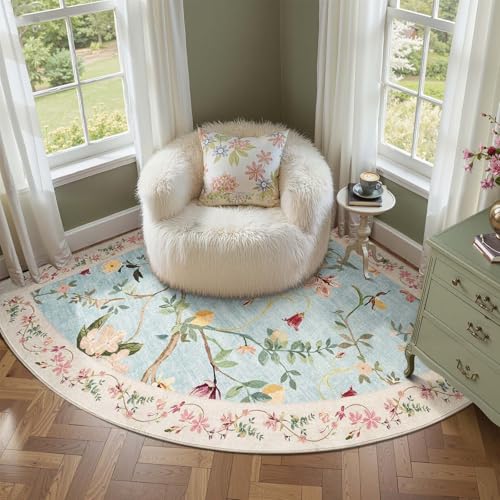
Oriental Floral Elegance: Layers of blooming flowers, leafy vines, and graceful birds framed by a vintage scalloped border bring timeless Chinoiserie-inspired beauty into your home. The soft blue base sets a calming mood, blending classic artistry with European romance for a truly decorative centerpiece.
Multi-Purpose Area Rugs
Editor’s Choice

Lessymo 8 x 10 Area Rugs for Living Room- Machine Washable Area Rugs Boh…
Amazon$67.49
Nourison Home Versatile Silver Grey 6′ x 9′ Area Rug – Easy Clean, Non S…
Amazon$73.20
Washable Indoor Outdoor Rug 5×7 Weather Resistant Area Rugs Modern Solid…
Amazon$73.759. Off-Center Rug Placement
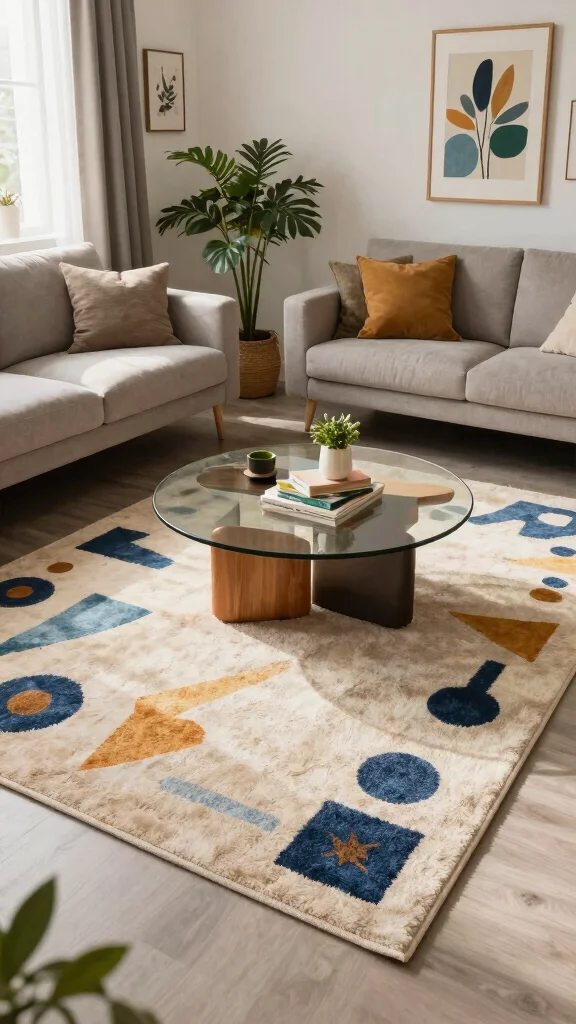
Off-center rug placement can add a playful design element that also makes your living room feel larger. By positioning a rug at an angle, you create visual intrigue that enhances the flow of the space. For example, angling a rug can highlight a focal point like a fireplace or artwork.
To utilize off-center placement effectively, try these tips:
– Position the rug at an angle under key furniture pieces.
– Ensure larger items rest comfortably on the rug while smaller ones can sit just off it.
– Use this technique to emphasize features you wish to highlight.
This unique approach introduces an artistic flair, making your living area vibrant and thoughtfully designed.
Off-Center Rug Placement
Editor’s Choice

8×10 Area Rugs for Living Room, Washable Modern Abstract Large Area Rug …
Amazon$79.99
Veken Non Slip Cushioned Rug Pad Gripper 8 x 10 Ft, Felt and Silicone Ba…
Amazon$69.9810. Incorporating Textures with Rugs
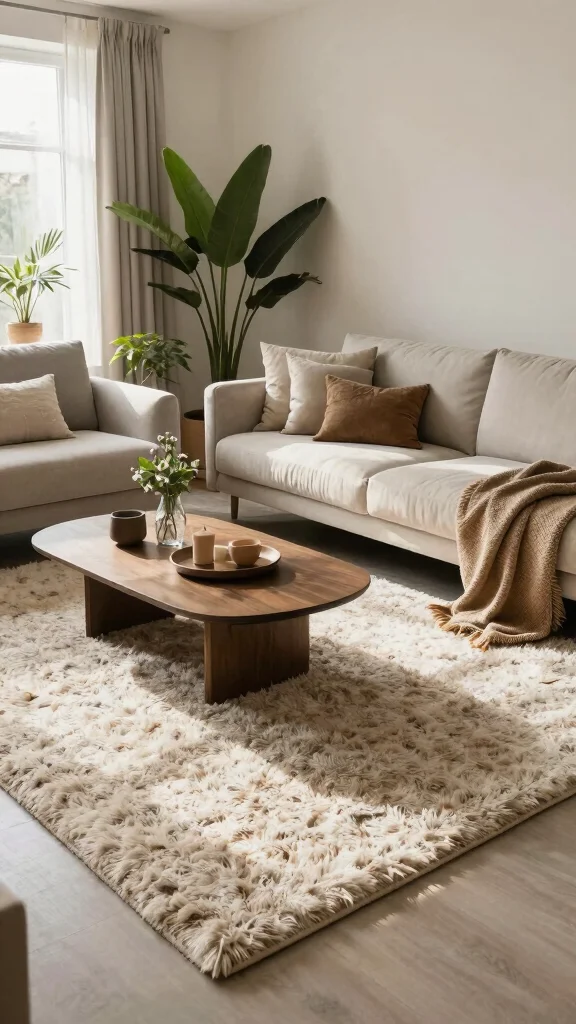
Incorporating various textures through rug placement can enhance the perception of space in your living room. A mix of textures not only adds depth but also creates a cozy and inviting atmosphere. For example, pairing a soft wool rug with sleek leather furniture can create a beautiful contrast.
Consider these tips for effectively introducing texture:
– Combine different materials for visual interest.
– Use textured rugs to define specific areas, like a cozy relaxation zone.
– Balance textures by grounding sleek furniture with a more textured rug.
This multifaceted approach enriches the overall atmosphere while enhancing the inviting character of your living space.
Did you know textural rug placement can visually enlarge a space by up to 20%? Mixing a soft wool rug with sleek leather furniture defines zones and adds depth. Try combining materials to boost your living room rug placement today.
Incorporating Textures with Rugs
Editor’s Choice

Large Shag Area Rugs 6 x 9, Tie-Dyed Plush Fuzzy Rug for Living Room, Ul…
Amazon$39.99
Shilucheng Wool Rug 8×10 Non-Slip, Blend 80% Wool and 20% Cotton Rugs fo…
Amazon$299.99
Yaheetech Mid-Century Accent Chairs, PU Leather Modern Upholstered Livin…
Amazon$119.99Conclusion
The right living room rug placement can transform your small space into a stylish, welcoming retreat. By utilizing various techniques, from layering to off-center placements, you can create the illusion of more space while showcasing your unique style.
Play with colors, patterns, and textures to achieve that perfect balance, allowing your living area to reflect your personality while feeling spacious and airy.
Note: We aim to provide accurate product links, but some may occasionally expire or become unavailable. If this happens, please search directly on Amazon for the product or a suitable alternative.
This post contains Amazon affiliate links, meaning we may earn a small commission if you purchase through our links, at no extra cost to you.
Frequently Asked Questions
How can I use living room rug placement to make a small space look bigger?
Start with a large base rug that fits under the main seating group. Place the rug so the front legs of the sofa and chairs rest on it to anchor the space and extend the visible floor area. Choose a light, neutral hue or a low-contrast pattern to reflect more light and create visual space enhancement.
When in doubt, try rug layering: layer a smaller accent rug over a larger one to add texture without shrinking the feel of the room, keeping the overall footprint cohesive and airy. This approach is a classic area rugs technique for small space decor and living room rug placement.
What size and placement should area rugs have in a compact living room?
In tight spaces, aim for a rug that accommodates the front legs of all major seating pieces. A common guideline is about 6×9 or 8×10 for a small living room, but you can go smaller if space is extra tight. Center the rug under the seating area and ensure at least 6–12 inches of floor visible around the edges to keep the room feeling open. If a single large rug doesn’t fit, consider two coordinating area rugs that align with the seating to maintain living room rug placement harmony.
Should I layer rugs or stick to a single rug in a small space?
Rug layering is a powerful rug layering technique for small space decor. Start with a wide base rug that anchors the furniture, then add a thinner, smaller rug under the coffee table or seating area. Keep colors in the same family and vary textures to avoid visual clutter. This approach adds depth and makes the space feel bigger while preserving cohesive living room rug placement.
How can furniture arrangement influence the perception of space with rug placement?
Let the rug guide the furniture layout. Position the sofa so its front legs (or at least two seating pieces) sit on the rug, parallel to its edges, which visually expands the floor area. Leave clear walkways and avoid crowding walls; even a slight offset from a wall can create air and movement. With a thoughtful furniture arrangement, the eye travels across the rug, boosting visual space enhancement and making the room feel more open.
Are there quick fixes to maximize space using living room rug placement without a major remodel?
Yes! Use a light or neutral area rugs to brighten the room and reduce visual weight. Prefer low-pile options with simple patterns to avoid busy lines that crowd the space. Keep the base rug large enough to anchor seating, and consider layering with a smaller rug if you want extra texture without shrinking the area. These practical tweaks deliver instant visual space enhancement and a refreshed small space decor vibe.
Related Topics
home decor
living room rug placement
small space decor
area rugs
rug layering
furniture arrangement
visual space enhancement
minimalist design
beginner friendly
budget friendly
interior styling
space-saving tips